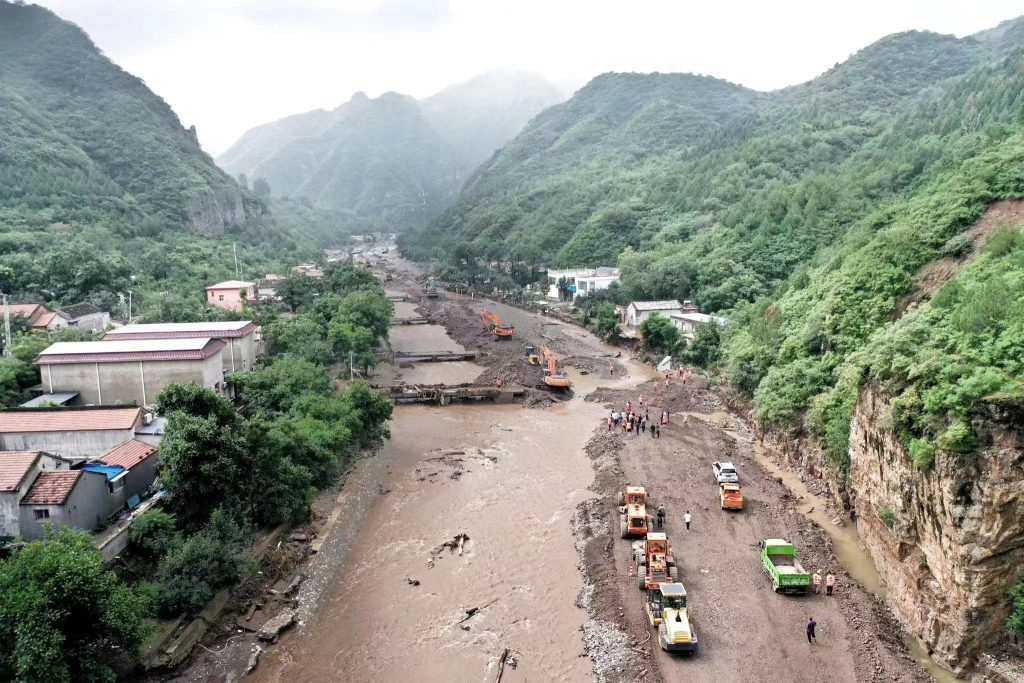

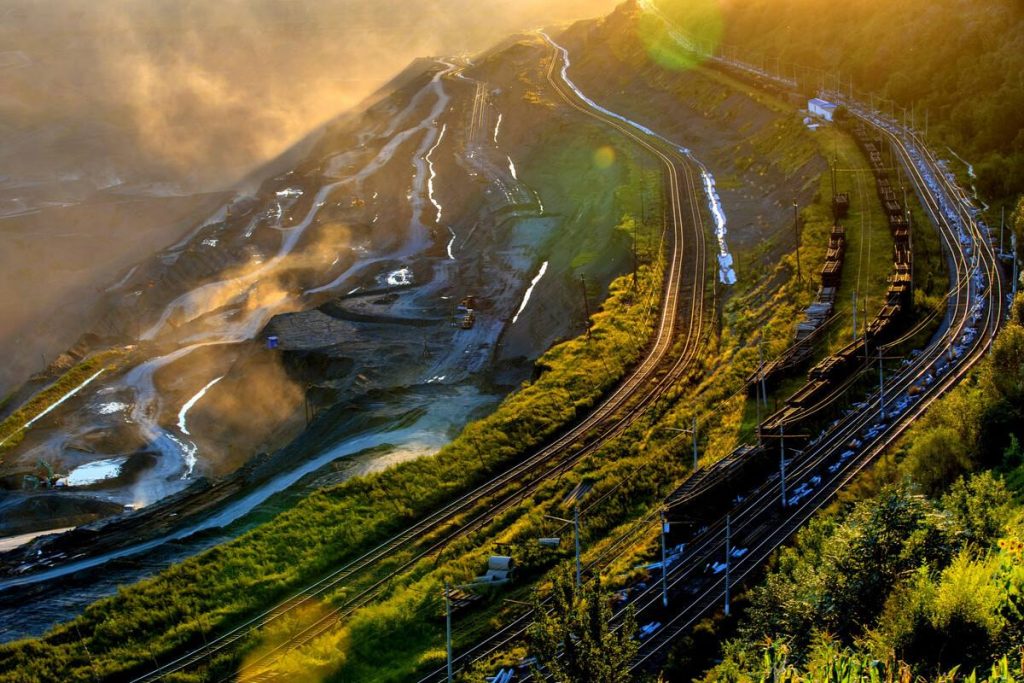
针对高得路新材料的业务方向,结合露天矿山、井下巷道、战备道路、乡村道路这四类典型场景,核心痛点均围绕重载、水害、扬尘、施工效率展开。以下是各场景的痛点分析与针对性解决方案:
Core pain points:
- Heavy-duty rolling: the mine truck has a load of more than 100 tons, and the traditional road surface is prone to rutting and congestion, and its life span is usually less than 3-6 months.
- Serious water damage: the open-pit mine lacks a drainage system, and the soaking of rainwater causes the subgrade to turn over and the road surface to be muddy, causing tires to slip and even get stuck in the car.
- Dust-raising and environmental protection: Dust-raising is extremely high in dry weather, facing pressure from environmental inspectors, high sprinkling costs and easy to freeze in winter.
solution:
- High-strength and high-toughness materials: For heavy loads, a new type of composite material with a balance of high flexural strength and toughness is used to replace traditional concrete or simple gravel roads. By enhancing fatigue resistance, the road overhaul cycle is extended by 3-5 years.
- Fully enclosed waterproof structure: the use of a variety of high-molecular-polymer materials to fully enclosed and waterproof the base layer, cut off the capillary rising path, fundamentally solve the problem of pulping and subsidence, and ensure the vehicle traffic rate in the rainy season.
- Efficient dust suppression and consolidation: The application of polymer dust suppression and consolidation agent instead of simple sprinkling, by bonding fine particles on the surface to form a hard shell layer, dust emissions can be reduced by more than 80% and environmental protection pressure can be alleviated. The dust-suppressing and slow-release agent in the high-quality pavement layer can continuously capture dust from the soil and play a long-term role in dust suppression.
Core pain points:
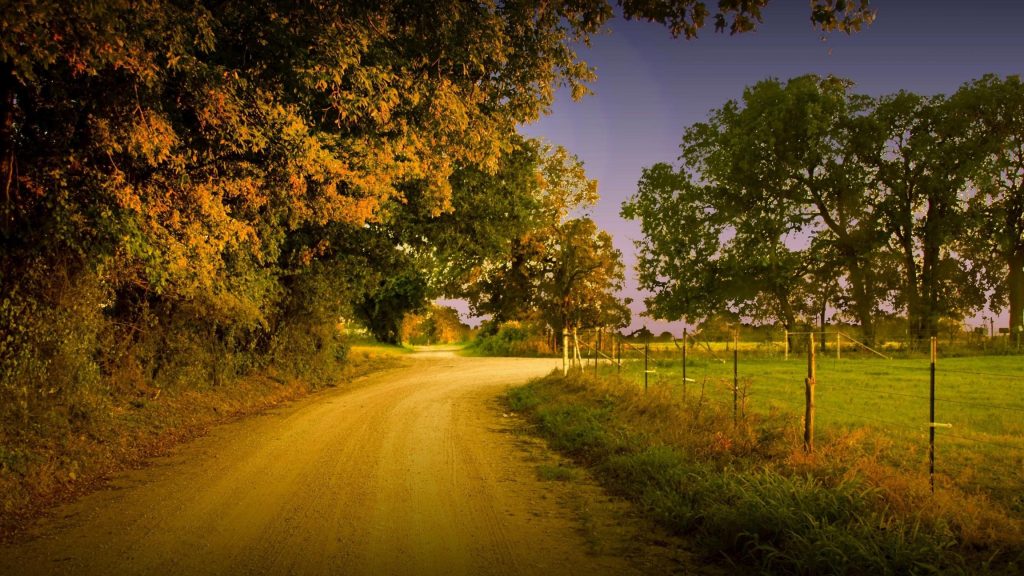
- Shortage of construction funds: limited state subsidies, high pressure on local supporting funds, and high cost of traditional cement or asphalt roads.
- “Reconstruction and light maintenance”: The lack of a professional maintenance team, cracks and pits on the road surface cannot be repaired in time, and the scrap will be accelerated.
- Anti-frostbite and anti-cracking: In the northern regions, frostbite in winter and pulping in spring cause serious cracking of the pavement.
solution:
- High-performance in-situ curing technology: use Yidelu soil stabilizer to improve the original subgrade soil, replace the water stabilized layer, and reduce the cost by 30%-50%. The formation has the characteristics of semi-rigid and semi-flexible, which is suitable for rural road loads.
- Self-supporting thin-layer covering surface: On existing gravel roads or damaged cement roads, a highly elastic polymer modified thin-layer covering surface (thickness 3-4 cm) is added. The material has self-healing properties, and micro-cracks can be repaired by themselves at high temperatures, reducing the dependence on specialized maintenance.
- Antifreeze-resistant ductile structure: Add antifreeze-resistant polymer emulsion to fill the pores, prevent moisture infiltration and produce frostbite, and significantly improve the stability of the subgrade during the alternating winter and spring periods.
Core pain points:
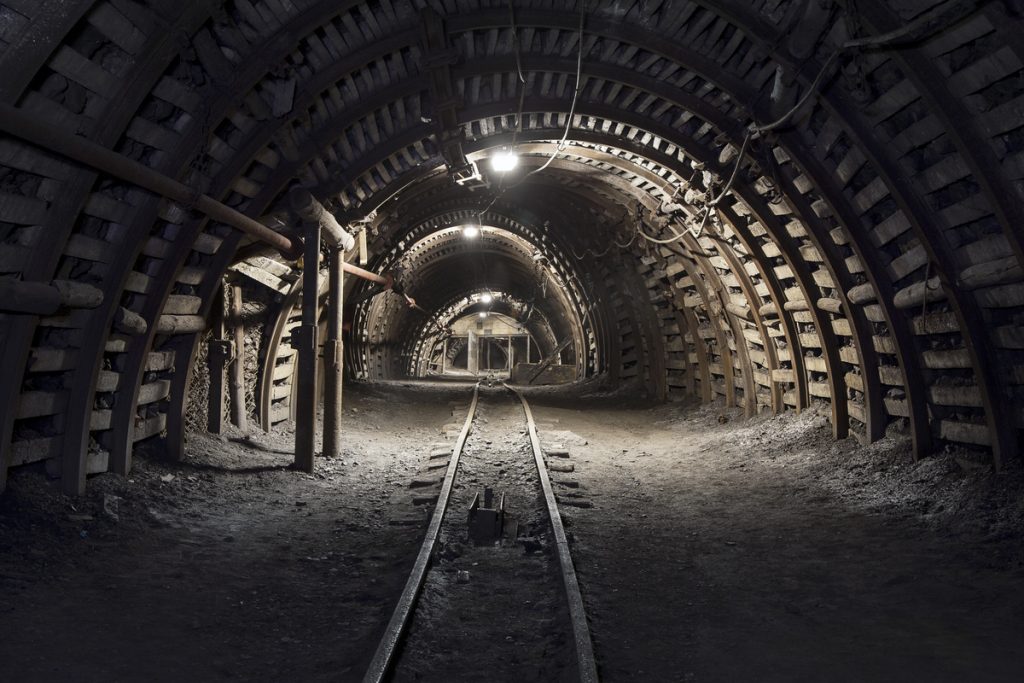
- Safety and explosion-proof: the underground space is closed, flammable gases such as methane gather, and the materials must have flame-retardant and antistatic properties.
- Wet and smooth: underground water seepage is serious, and the road surface is slippery, which can easily cause transport vehicles to lose control or personnel to slip.
- Construction is limited: the space is small, the ventilation is poor, and the traffic cannot be closed for a long time. The materials need to be non-toxic, odorless, quick-drying and quick-passing.
solution:
- Intrinsically safe materials: develop solvent-free, flame-retardant and antistatic polyurethane or modified resin floor materials, and pass national explosion-proof testing to eliminate the risk of friction sparks and static electricity accumulation.
- Non-slip wear-resistant layer: On the surface of roadways and slopes, a high coefficient of friction non-slip wear-resistant layer is used, combined with non-slip aggregates, to ensure that the coefficient of friction reaches more than 0.7 under inrushing water conditions to ensure transportation safety.
- Low-temperature fast-curing technology: For the low-temperature and high-humidity environment underground, reactive fast-curing materials are used, and passage can be restored within 2-4 hours after construction, reducing the impact on the mining operation cycle, and there is no release of volatile organic compounds during the curing process.

Core pain points:
- Conflict between heavy load and mobility: it is necessary to meet the high ground pressure requirements of tanks, heavy equipment, etc., but usually there are few maintenance personnel and limited funds.
- Emergency response speed: In times of war or emergency, the road surface needs to be rushed through in a very short time after the road surface is damaged. The solidification period of traditional cement roads is too long, and large-scale mixing equipment is required for asphalt roads.
- Camouflage and concealment: The color of the road surface and the thermal infrared characteristics need to be integrated with the surrounding environment to avoid being too abrupt.
solution:
- High-strength and high-toughness materials: For heavy loads, a new type of composite material with a balance of high flexural strength and toughness is used to replace traditional concrete or simple gravel roads. By enhancing fatigue resistance, it has outstanding performance in wear resistance and pressure resistance.
- Emergency repair materials: reserve cold-mixed and cold-laid high-toughness repair materials, no heating is required, and traffic can be opened after manual paving and rolling to solve the problem of timeliness of emergency repair.
- Low-visibility coating: The surface layer of the material can be customized with vegetation color, earthy color and low thermal radiation coating to meet the camouflage requirements of military facilities.
Core pain points:
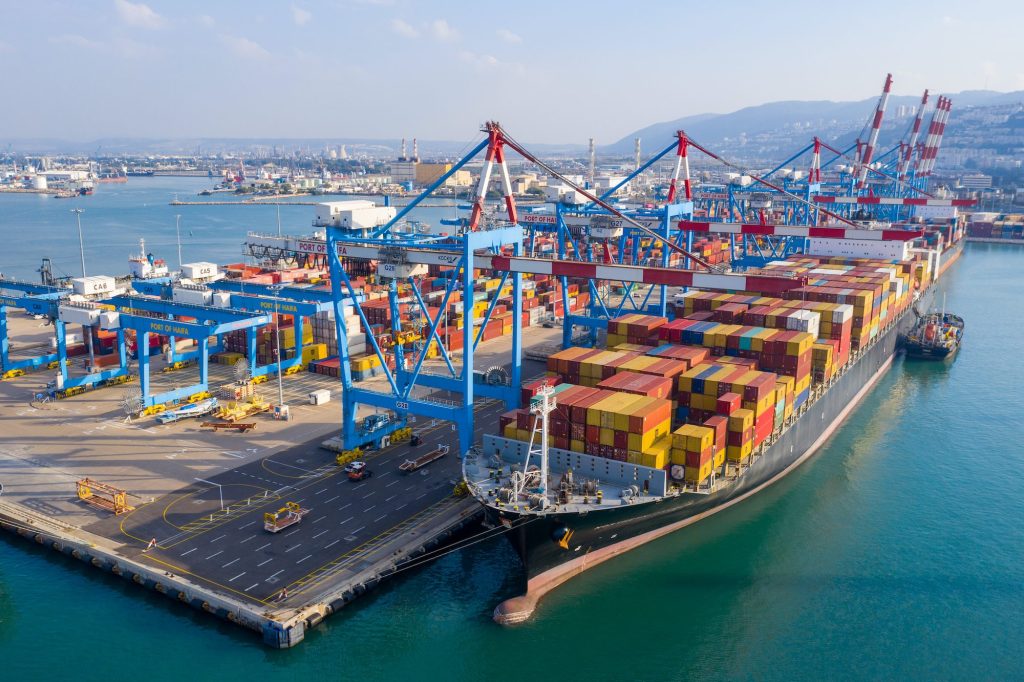
- Heavy load and impact: container trucks, gantry cranes, stackers and other equipment have a large axle load and frequent starts and stops. Traditional concrete pavement is prone to breaking and settling, and asphalt pavement is prone to severe rutting and congestion.
- Oil pollution and chemical corrosion: vehicle oil leakage and hydraulic oil leakage of loading and unloading equipment are serious. The penetration of oil pollution causes the asphalt pavement to soften and loose, and the concrete pavement to be corroded and peeled off; coastal ports are also facing salt spray erosion, which accelerates structural damage.
- Contradiction between operation and maintenance: the port operates 24 hours a day, and the traditional road maintenance needs to close the area, which seriously affects the logistics efficiency, and the maintenance window is extremely short.
- Anti-skid safety: Under rainy or humid conditions, the container yard and passages are slippery, the braking distance of heavy equipment is long, and there are safety hazards.
solution:
- Super-heavy and high-strength composite layer: high-modulus polymer modified materials are used to replace traditional cement concrete or asphalt surface layers. The materials have ultra-high compressive strength and fatigue resistance, and can withstand repeated rolling by container trucks and gantry cranes. The road overhaul cycle is extended to 5-8 years and the impact on terminal operations is reduced.Interference.
- Oil-resistant/salt spray-resistant closure system: A water-based epoxy resin or polyurethane closure layer is applied to fully enclose the road surface to form a dense protective layer to prevent oil infiltration and salt spray corrosion, and greatly reduce the early damage caused by chemical erosion of the road surface. Damage.
- Ultra-quick-drying emergency repair materials: For local damage, reserve high-toughness and quick-drying repair materials, which can be restored after construction, and make full use of “minimally invasive surgical” repairs at night or between operations to ensure the continuous operation of the port.
- High coefficient of friction, non-slip wear layer: In key areas such as the leading edge of the pier, turning ramps, etc., a thin layer of high wear-resistant and non-slip wear is laid to ensure that the coefficient of friction reaches more than 0.7 under wet conditions to ensure the braking safety of heavy equipment.
Core pain points:
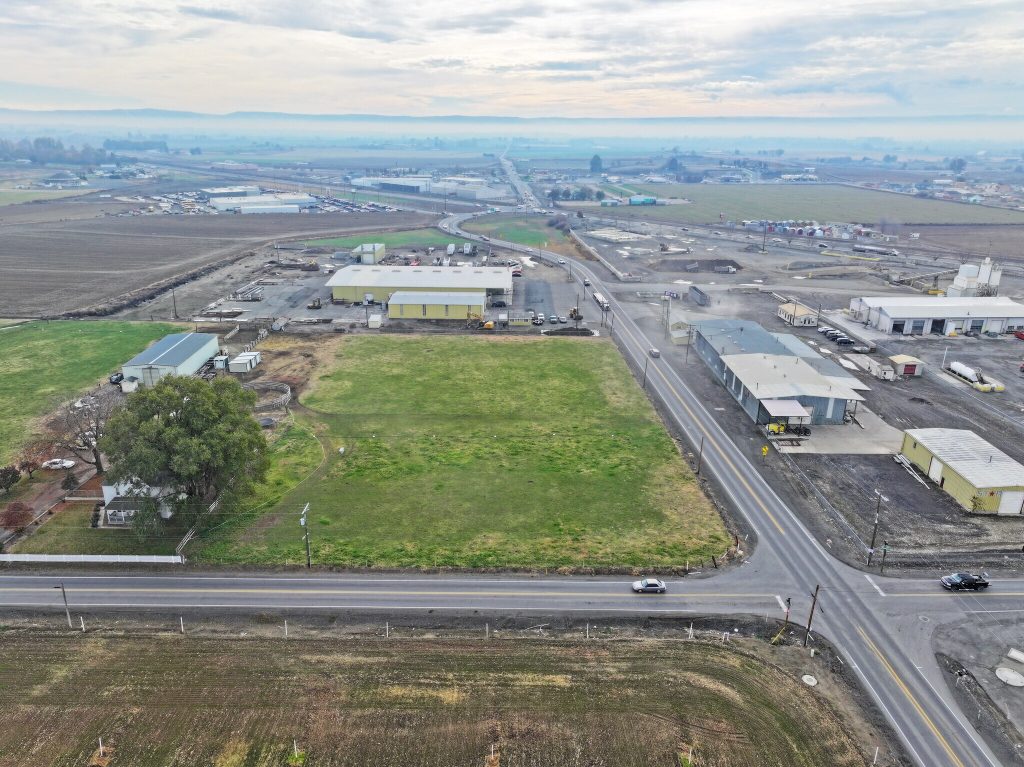
- Heavy-duty and complex traffic: heavy trucks and forklifts pass frequently in the park, and the road surface at intersections and turns is prone to rutting and passing; at the same time, the flow of people and traffic is mixed, which requires high road surface flatness and safety.
- Special environmental requirements: Chemical, electronics, food and other parks have special requirements for the road surface, such as anti-static, chemical resistance, clean and dust-free, etc., it is difficult to take into account the traditional road surface.
- Maintenance affects production: road maintenance in factory areas often requires shutdown or closure of areas. Enterprises prefer a ”one-time investment, long-term maintenance-free" plan to reduce the impact on production and operations.
- Aesthetics and corporate image: As part of the corporate image, the pavement of the park needs to take into account cleanliness, aesthetics and clear signage. Traditional pavement is easy to get dirty and fade.
solution:
- Heavy-duty and durable pavement system: For main roads and loading and unloading areas, high-strength composite stable materials or high-toughness polymers are used to improve impact resistance and fatigue resistance, and reduce downtime caused by pavement renovation.
- Special function floor system:
- Anti-static/ANTI-static pavement: FOR chemical and electronic parks, a solvent-free anti-static resin surface layer is used, and the surface resistance is stable at 10ω-10ΩΩ to eliminate safety hazards caused by static accumulation.
- Chemical-resistant layer: For chemical and pharmaceutical parks, provide acid and alkali-resistant polyurethane or epoxy systems to resist the erosion of the road surface by chemical dripping.
- Clean and dust-free surface layer: For food and pharmaceutical parks, a high-density seamless surface layer is used, with no seams and no dust accumulation to meet the requirements of clean areas.
- Maintenance-free integrated design: The overall structural design is adopted from the base layer to the surface layer, combining high-strength materials and waterproof closed layers to minimize late cracks, pulping and other diseases, and achieve the goal of “ten years of overhaul-free”.
- Color functional cover: Provide customized color thin-layer cover, which is used to distinguish sidewalks, carriagways, fire-fighting passages, etc., While having wear-resistant and non-slip functions to enhance the overall image of the factory area.
Core pain points:
- Rapid response to needs: emergency rescue (such as floods, geological disasters, and military security) requires life passages to be opened within a few hours; temporary sidewalks in engineering construction need to be formed quickly, and traditional road construction methods (subgrade treatment, concrete maintenance) have too long cycles.
- Low reuse rate: the use cycle of construction sidewalks is short, and it is difficult to dismantle traditional concrete or gravel roads, waste is serious, and cannot be recycled.
- Environmentally sensitive restrictions: construction in ecological protected areas or farmland areas, traditional road construction methods destroy vegetation and take up a lot of earthwork, which puts a lot of pressure on environmental protection.
solution:
- On-site paving type fast curing material: Under the conditions of compaction of the subgrade, it can be laid within a few hours to form a high-carrying channel, which meets the needs of heavy vehicles, has a waterproof function, and is suitable for construction of sidewalks and emergency rescue.
- Degradable temporary pavement: For temporary sidewalks in ecologically sensitive areas, bio-based degradable geotechnical pavement materials are developed to meet short-term traffic needs after laying, and they are naturally degraded or simply recycled after use to reduce the long-term impact on the environment.